Regions
Germany, state by state
Each state page brings together its host universities, videos, events, things to do, local prices, Studierendenwerk dorms and daily-life tips.
Pick a state
16 states, 116 campuses
Darker tiles have more GJU host universities. Tap a state for its universities, videos, events, costs and housing links.
All regions
Pick your region
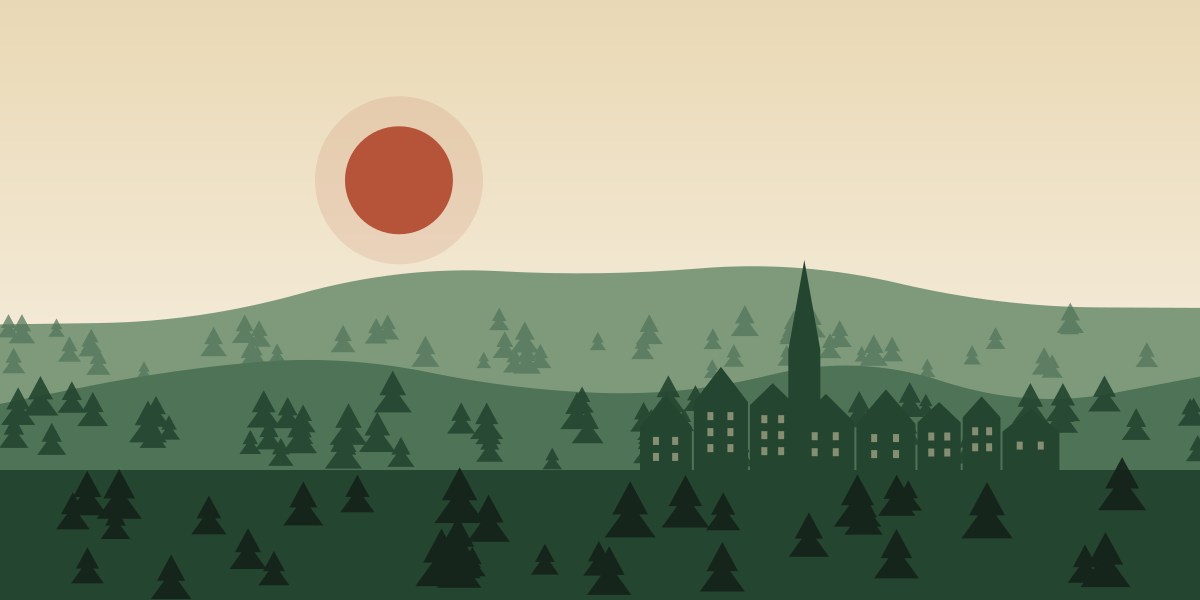
Baden-Württemberg
18 universitiesEngineering heartland between the Black Forest and Lake Constance
Home of Bosch, Mercedes-Benz, Porsche, SAP and thousands of family-owned "hidden champions". For a GJU engineering or business student this is internship country: hundreds of mid-sized manufacturers sit within an hour of every campus. Life is green and orderly, with the Black Forest, the Swabian Jura and the Neckar valley all on your regional ticket.
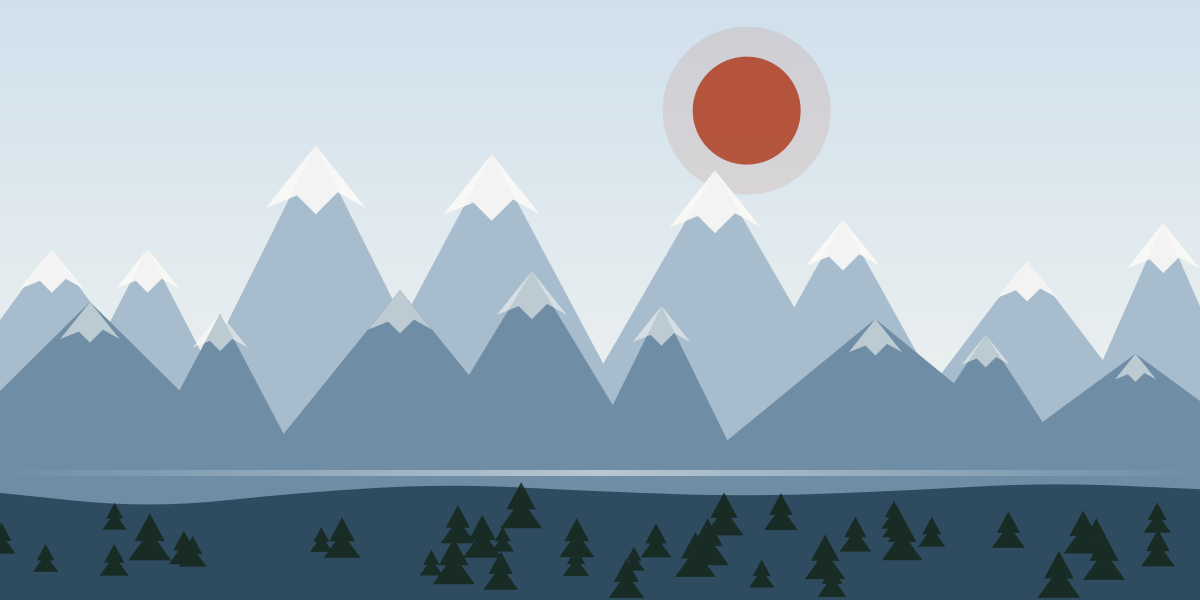
Bavaria
18 universitiesAlps, lakes, castles, and the most host universities in the German Year
Germany's largest state and the strongest economy: BMW, Audi, Siemens, Adidas and Schaeffler all have their headquarters here. Munich is the most expensive city in Germany, while Deggendorf, Landshut, Amberg or Coburg give you real Bavarian life for much less. The Alps and dozens of lakes are a regional train ride away.
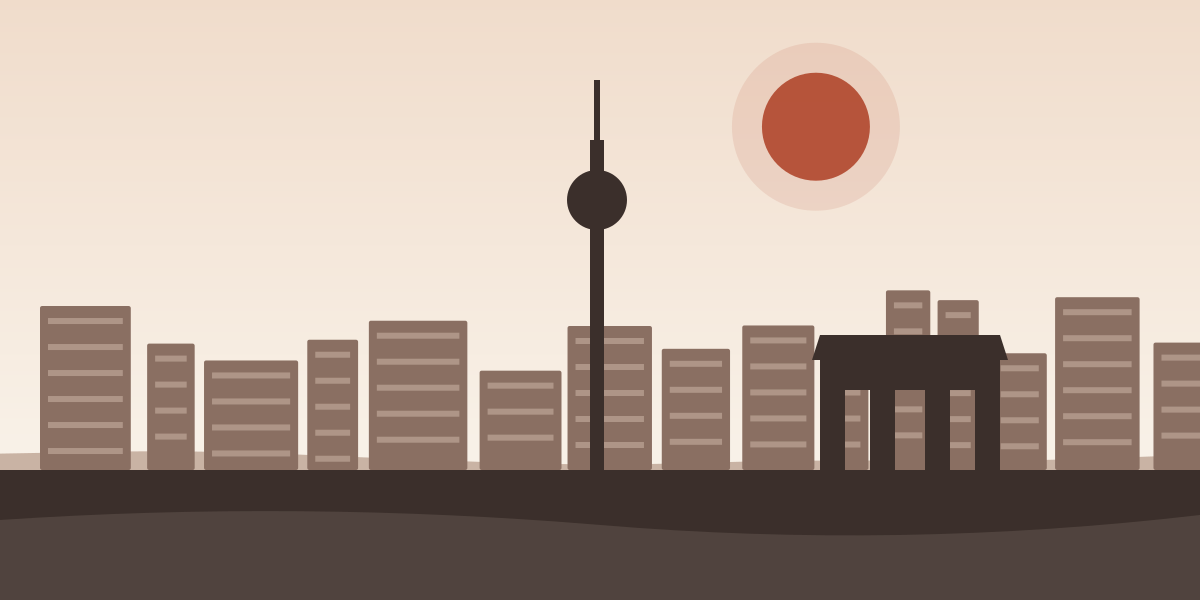
Berlin
3 universitiesThe capital: start-ups, history, and the largest Arab community in Germany
Berlin is a city of 3.8 million people, and it runs on public transport. Rents have climbed fast, but food, culture and nightlife are still cheaper than in Munich or Hamburg. Sonnenallee in Neukölln has some of the best Arabic food in Europe, and the start-up scene makes internships in tech and design easier to find.
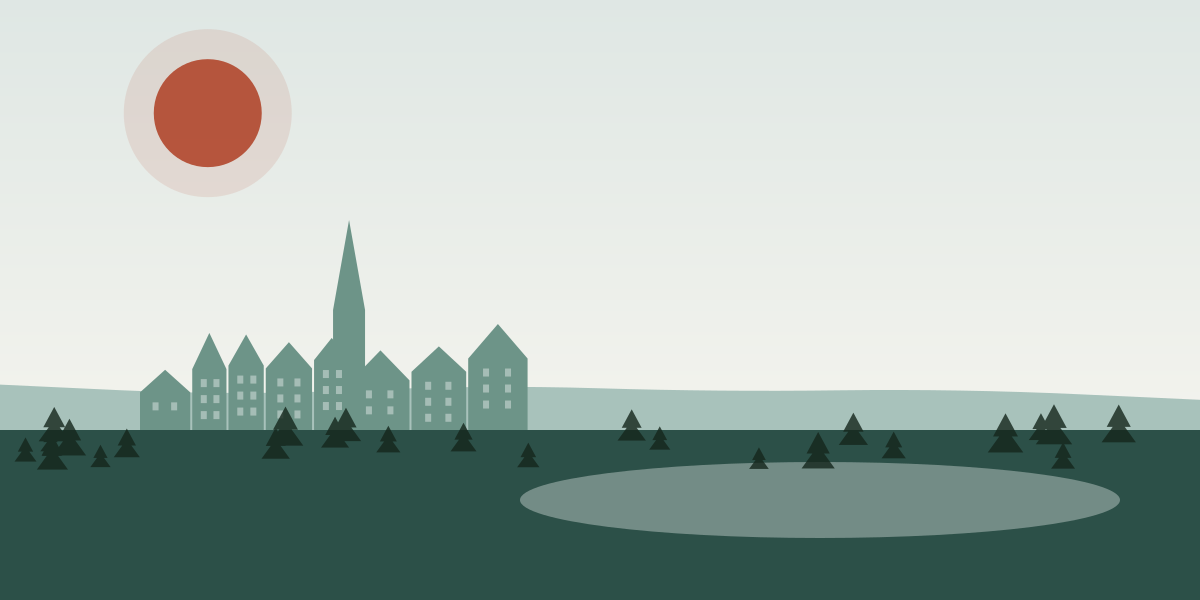
Brandenburg
4 universitiesLakes, pine forests, and calm campuses around Berlin
Brandenburg wraps around Berlin. Its campuses in Potsdam, Wildau and Brandenburg an der Havel are close enough to the capital that many students live cheaply there and travel into Berlin for weekends. Cottbus, near the Polish border, is quieter and very affordable. Tesla's gigafactory and Berlin's tech scene are within reach for internships.
Bremen
2 universitiesA small city-state of harbours, Hanseatic brick and aerospace
Bremen and Bremerhaven together form Germany's smallest state. Airbus, OHB space systems and the ports offer internships in aerospace, logistics and maritime engineering. Bremen's old town is compact and walkable, and Bremerhaven sits right on the North Sea.
Hamburg
2 universitiesGermany's gateway to the world: port, canals and the Elbphilharmonie
Germany's second city and Europe's third-largest port. Airbus builds planes here, and media, logistics and trading companies hire international interns. Hamburg is expensive but has more bridges than Venice, excellent public transport, and a large Arab and Turkish community around Steindamm.

Hesse
9 universitiesFrankfurt's skyline, the airport you land at, and green university towns
Most GJU students land at Frankfurt Airport, Germany's biggest hub. Hesse combines the banking and logistics capital Frankfurt with classic university towns like Marburg, Giessen, Fulda and Darmstadt. The large Arab community, Arabic supermarkets and direct flights to Amman make it one of the easiest regions to settle in.
Mecklenburg-Vorpommern
2 universitiesBaltic beaches, chalk cliffs and a thousand lakes
Germany's holiday coast. Stralsund is a UNESCO Hanseatic town at the gateway to Rügen island, and Neubrandenburg sits in the Mecklenburg Lake District. It is quiet, very affordable and beautiful in summer, but the towns are small, so expect a slower pace and fewer English speakers.
Lower Saxony
7 universitiesFrom the North Sea islands to the Harz mountains, home of Volkswagen
Volkswagen (Wolfsburg), Continental (Hanover) and a large wind-energy industry make Lower Saxony strong for automotive and energy internships. Göttingen is a classic university town, Oldenburg and Emden are relaxed and close to the coast, and Hanover is a big, green, very livable city.
North Rhine-Westphalia
18 universitiesEighteen million people, Cologne Cathedral and the Ruhr's reinvented industry
NRW is Germany's most populous state and a dense web of cities: Cologne, Düsseldorf, Dortmund, Bochum, Aachen, Münster and Bielefeld are all close together. Trains run constantly, so weekend trips cost nothing on your semester ticket. With the most host universities of any state and a big Arab and Turkish community, it is an easy place to settle.
Rhineland-Palatinate
10 universitiesCastles on the Rhine, vineyards, and Roman Trier
The romantic Rhine valley, with a castle on every hill, the Moselle wine villages and Germany's oldest city, Trier. BASF in Ludwigshafen and BioNTech in Mainz anchor the chemical and pharma industries. Most towns are small, friendly and affordable, and Frankfurt and Cologne are easy to reach.
Saarland
2 universitiesSmall, French-flavoured and very friendly
One of Germany's smallest states, on the French border. Saarbrücken has a relaxed, French-influenced lifestyle, and Metz and Strasbourg are day trips. Rents are low and people are known for their hospitality. Steel, automotive suppliers and IT companies offer internships.
Saxony
7 universitiesBaroque Dresden, creative Leipzig, and the cheapest big-city rents in Germany
Saxony mixes grand culture with low prices. Dresden is a baroque capital, and Leipzig is young, creative and growing fast. Chemnitz, Zwickau, Freiberg and Mittweida are affordable engineering towns. "Silicon Saxony" has microchip makers such as Infineon, GlobalFoundries and Bosch, plus VW and BMW plants.
Saxony-Anhalt
6 universitiesBauhaus, Luther and the Harz mountains
Saxony-Anhalt has more UNESCO sites than almost any other state: the Bauhaus in Dessau, the Luther towns and the Quedlinburg old town. Life is calm and rents are very low. Merseburg, Köthen, Dessau, Stendal and Wernigerode are small; Magdeburg and Halle are the regional cities.
Schleswig-Holstein
2 universitiesBetween two seas: Baltic and North Sea, Lübeck and Flensburg
Germany's northernmost state sits between the Baltic and North Seas. Lübeck, home of marzipan and the Holstentor gate, is a UNESCO Hanseatic town an hour from Hamburg. Flensburg is on the Danish border. The coast, wind energy and maritime companies shape the economy.
Thuringia
6 universitiesThe green heart of Germany: Thuringian Forest, Weimar and Wartburg
Thuringia is called the green heart of Germany. Small, safe and affordable cities such as Erfurt, Jena, Weimar, Ilmenau, Nordhausen and Schmalkalden sit in hills and forests. Jena is known for optics (ZEISS, Schott, Jenoptik), and Ilmenau and Schmalkalden for engineering. One Studierendenwerk runs the dorms and Mensas across the whole state.
Partners abroad
10 universitiesTen partner universities outside Germany
A few GJU German Year places are outside Germany: in Austria, Iceland, Spain, Belgium, Romania, Portugal, Italy, Lithuania, Poland and Turkey. Costs, visas and paperwork follow each country's rules, not Germany's. Use this page for the videos and links, and check the rules with the GJU German Year office and the host university.